 1
1Elysium on Earth
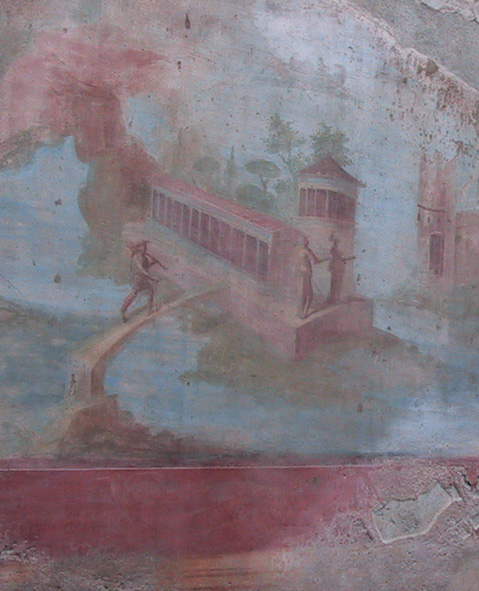
As miniature dwelling places for the gods and tutelary spirits, lararia provided the focal point for worship connected with the protection and well-being of the household. Their association with apotropaic and auspicious numina such as Lares, Penates and Genii linked both the house and household to benign metaphysical worlds, as did paradeisoi, the walled gardens that mirrored Elysium's immortal paradise on earth (fig.1). These iconic metaphors collectively sanctified the house and the ground on which it stood and out of which emerged snake-serpents in search of immortal offerings. Given such potent iconography, how could the house not be viewed as anything other than a protected space – a sanctuary?
In addition to visual evidence, there is also textual evidence that supports the view that the Roman house was required to be a sanctuary-like space, as well as a place for social and commercial interaction. And where better to find that textual evidence than in the domus itself. In the Casa del Moralista, Pompeii, there is an inscription that requests visitors not to violate the sanctity of the house and to behave with respect and decorum and, in so doing, contribute to an atmosphere of repose and tranquillity.
1


|